
Author name: rahul

Senior Pet Care During Harsh Winter Months
Blog

Senior Pet Care During Harsh Winter Months

As pets age, their needs often change, and winter can make these changes more noticeable. Senior dogs and cats may experience increased sensitivity to cold, reduced mobility, and slower adjustment to environmental changes. In Sedro-Woolley, Washington, winter weather brings colder temperatures, damp conditions, and shorter days, all of which can influence the comfort of aging pets. Understanding how winter affects senior pets can help owners provide supportive care during colder months. Why Senior Pets Are More Sensitive to Cold As pets grow older, their ability to regulate body temperature may decline. Reduced muscle mass, joint stiffness, and chronic health conditions can make cold weather more challenging. Veterinarians often explain that senior pets may feel colder faster than younger animals, even indoors. Drafts, cold flooring, and reduced movement can contribute to discomfort. Common Winter Changes in Senior Pets Pet owners may notice subtle changes during winter, including: Increased stiffness after rest Slower movement or hesitation when standing Decreased interest in outdoor activity Changes in sleep patterns Seeking warm areas more frequently These changes are not always sudden and may develop gradually throughout the season. Supporting Mobility and Comfort Gentle daily movement may help maintain joint flexibility in senior pets. Short, consistent walks and light indoor activity are often recommended to support circulation and mobility. Warm, supportive bedding placed away from drafts can assist in maintaining comfort. Veterinarians commonly advise minimizing exposure to cold, damp conditions, particularly for pets with joint sensitivity. Nutrition and Senior Winter Care Nutritional needs often evolve with age. Senior pets may benefit from diets that support joint health, digestion, and body condition. Winter routines provide a useful opportunity to review feeding habits, especially if activity levels decrease. Hydration remains important, as older pets may be more prone to dehydration. Ensuring water is easily accessible and not too cold can assist in maintaining intake. Monitoring Health During Winter Winter may make existing health conditions more noticeable. Subtle changes in appetite, mobility, or behavior can provide valuable information about a senior pet’s well-being. Routine veterinary visits allow for monitoring of age-related changes and seasonal concerns. These visits also provide space for pet owners to ask questions about winter comfort, exercise, and home adjustments. At Sedro-Woolley Veterinary Clinic on Carter Street, veterinarians frequently support families caring for senior pets during winter. These conversations focus on maintaining comfort, quality of life, and routine throughout the colder months. Conclusion Winter can be a quieter, slower season, particularly for senior pets. With thoughtful adjustments and attentive care, pet owners in Sedro-Woolley can help their aging companions remain comfortable and supported. Professional guidance plays an important role in navigating seasonal changes and addressing age-related needs with confidence. Disclaimer:This content is provided for general educational purposes only and is not a substitute for veterinary advice. For concerns about senior pet care, mobility, or winter health needs, consult Sedro-Woolley Veterinary Clinic, Carter Street, Sedro-Woolley, WA. Phone: (360) 856-6890.

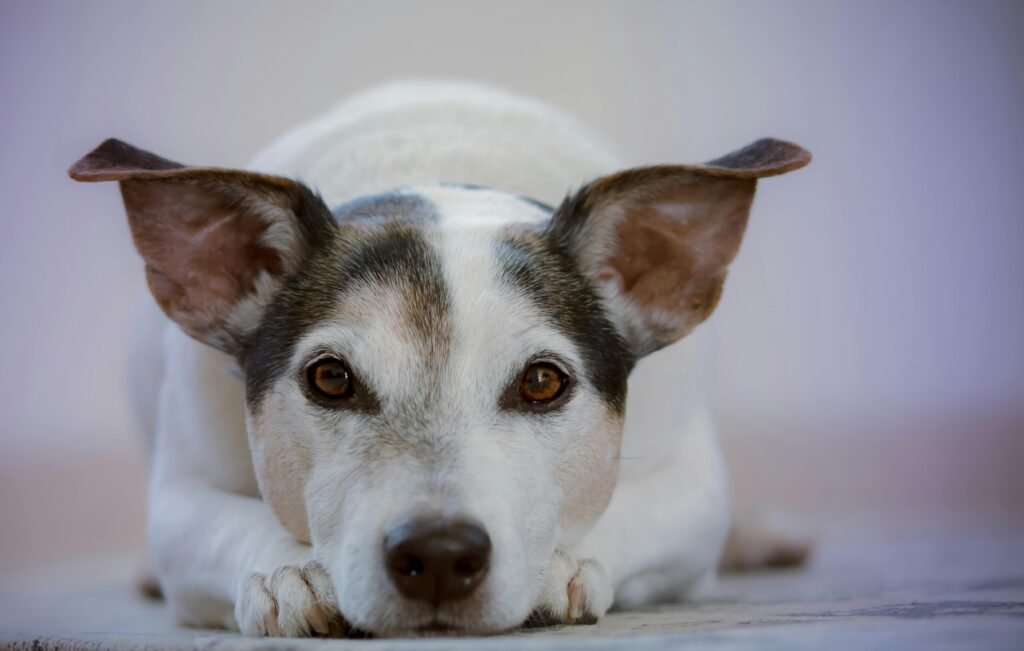
Adjusting Your Pet’s Diet for Cold Canadian Winters
Blog

Adjusting Your Pet’s Diet for Cold Canadian Winters

Cold winter months bring noticeable changes to daily routines, not only for people but also for pets. While Sedro-Woolley, Washington experiences a milder winter climate compared to much of Canada, cold temperatures, damp air, and reduced daylight can still influence a pet’s energy needs, appetite, and overall well-being. Many pet owners begin to wonder whether their pet’s diet should change during winter and what adjustments may help support seasonal health. Understanding how colder weather affects metabolism and activity levels can assist pet owners in making thoughtful feeding decisions during winter. How Cold Weather Influences Nutritional Needs During colder months, some pets burn additional energy to maintain body warmth, particularly those who spend time outdoors. Active dogs may require slightly more calories, while pets that are less active during winter may actually need fewer calories to avoid unwanted weight gain. Veterinarians commonly explain that diet adjustments depend on the individual pet. Factors such as age, activity level, body condition, and health history all play a role. There is no universal winter diet that suits every pet. Changes in Appetite and Behavior Winter routines often involve shorter walks, fewer outdoor activities, and more time spent indoors. These changes may influence appetite. Some pets appear hungrier, while others become less interested in food. Pet owners may notice: Increased interest in meals Decreased activity paired with unchanged eating habits Mild weight gain during winter months Reduced water intake due to cooler temperatures Veterinarians often advise monitoring body condition rather than focusing solely on portion size, as weight changes may happen gradually. Supporting Healthy Weight Through Winter Maintaining a healthy weight is important year-round, but winter can present challenges. Reduced exercise combined with unchanged feeding routines may contribute to gradual weight gain. Conversely, outdoor working or sporting dogs may need nutritional adjustments to support energy demands. Veterinary guidance can assist in determining whether portion adjustments or feeding schedule changes may be appropriate. Any dietary changes are often recommended to be gradual to avoid digestive upset. Hydration and Winter Nutrition Hydration plays an important role in digestion and overall health, even during cold weather. Pets may drink less water in winter, particularly if bowls are placed outdoors or water becomes cold. Veterinarians commonly advise ensuring easy access to fresh, clean water indoors. Hydration supports digestion, skin health, and joint comfort, all of which may be affected during winter months. The Importance of Individualized Veterinary Advice Pet nutrition is not static, and seasonal changes can be a helpful time to review feeding routines. Routine veterinary visits provide an opportunity to discuss winter activity levels, body condition, and dietary concerns. At Sedro-Woolley Veterinary Clinic on Carter Street in Sedro-Woolley, Washington, veterinarians regularly discuss seasonal nutrition adjustments with pet owners. These conversations help ensure feeding choices align with each pet’s lifestyle and winter routine. Conclusion Adjusting a pet’s diet for winter is not about dramatic changes, but about awareness and balance. Cold weather, reduced activity, and indoor routines may all influence nutritional needs. With observation and professional guidance, pet owners in Sedro-Woolley can support their pet’s health through the winter months with thoughtful dietary care. Disclaimer: This article is intended for general educational purposes only and does not replace professional veterinary advice. For questions about winter nutrition or feeding adjustments, consult Sedro-Woolley Veterinary Clinic, Carter Street, Sedro-Woolley, WA. Phone: (360) 856-6890.
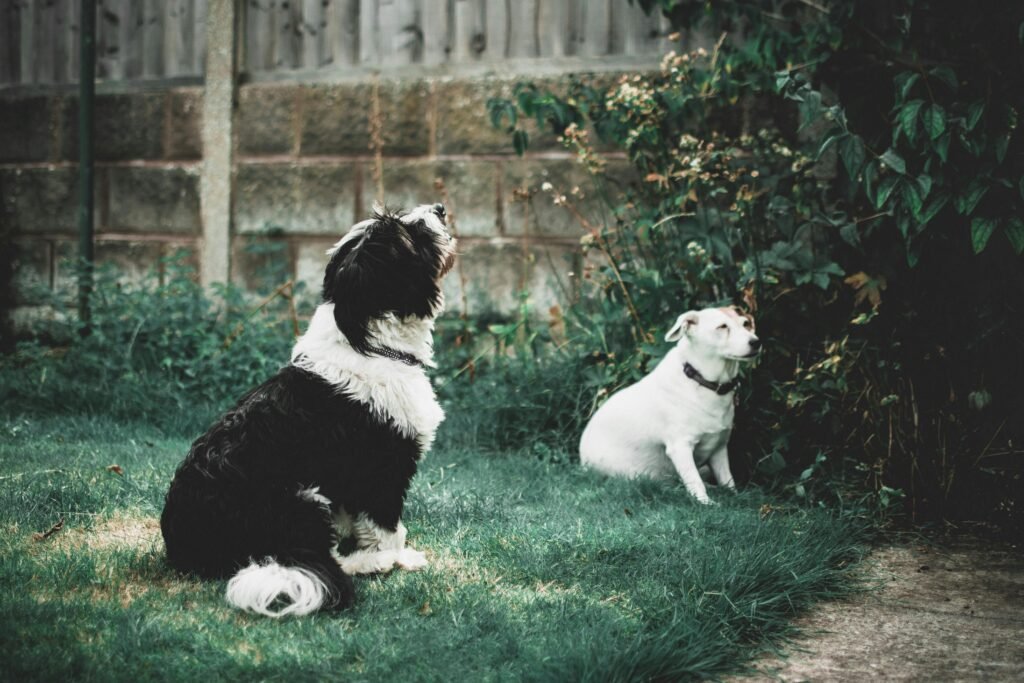
Why Canadian Pets Still Need Prevention
Blog

Fleas in Winter? Why Canadian Pets Still Need Prevention

Many pet owners in Canada believe that fleas go away when the temperature drops. Winter may lessen flea activity in the outdoors, but fleas can thrive indoors in Canadian homes because they stay warm. Families may be able to select preventative measures that work for their home and way of life if they are aware of how fleas behave over the winter. Why Fleas Can Live Indoors During the Winter Warm, damp environments are ideal for fleas. Flea eggs and larvae may continue to develop in heated homes during the winter. Fleas can finish their life cycle indoors, even in below-freezing weather, according to veterinary sources. There is still some risk for pets that spend time outside. When dogs and cats venture outside, even for a short time, they may come with fleas in protected outdoor spaces like garages, porches, or animal dens. These conditions might continue to be sufficiently warm for flea activity. Fleas can multiply in carpets, mattresses, and upholstered furniture if they are brought indoors. Why Year-Round Prevention Is Frequently Suggested Since stopping during the winter can allow minor infestations to grow undetected, many veterinarians recommend continuing prophylaxis throughout the year. Even when there is snow outdoors, flea populations indoors may still be active. Continuous prevention can help lower the likelihood that fleas will take up residence in the house. Keeping an eye out for flea signs Owners can keep an eye out for common signs including hair thinning, itching, or tiny dark spots on the coat. These symptoms may indicate that a veterinarian examination would be beneficial, even though they do not prove an infestation. In Canadian homes, fleas are still a possibility even in the winter. Many experts recommend year-round awareness and prevention since the warmth of homes encourages fleas to continue their life cycle. For advice specific to their pet’s needs, families with concerns about winter flea hazards can get in touch with Sedro-Woolley Veterinary Clinic. Disclaimer This article is for general educational purposes only and does not replace professional veterinary advice. For concerns about your pet’s health, consult a licensed veterinarian.

Blog

What to Do If Your Dog Licks De-Icing Salt on Sidewalks

In order to maintain sidewalks safer for pedestrians throughout the winter, de-icing salts are frequently applied in Canadian neighborhoods. If dogs lick these materials from their paws or the ground, they may become irritated or dangerous. Owners may react more composedly and responsibly if they know what to do. Reasons to Be Wary of De-Icing Salts Compounds found in many sidewalk salts can irritate the lips, paws, and digestive tract. Larger doses may need veterinary care, and even tiny quantities can be uncomfortable. Veterinarians frequently urge pet owners to keep an eye out for symptoms like drooling, irritated paws, or upset stomachs following exposure. Quick Actions to Do at Home Wiping the dog’s paws with a moist cloth can assist get rid of any leftover de-icing salt residue if the dog licks or walks on it. If the dog feels salt on their tongue, providing fresh water could help them rinse their mouth. It’s crucial to avoid using harsh cleaners and scrubbing since inflamed paws can grow more sensitive. Keeping an Eye Out for Unsettling Signs Owners may notice symptoms including vomiting, excessive drooling, or ongoing paw soreness following salt exposure. These symptoms may signal that a veterinarian examination is necessary, but they may not always imply poisoning. The veterinarian may find it easier to evaluate the condition if you bring packaging or details regarding the sort of salt used. Preventive Steps for Upcoming Walks When taking walks in the winter, many vets advise using boots or paw protectants. Another way to lessen sensitivity is to rinse your paws after coming inside. Exposure can occasionally be reduced by selecting walking routes where sidewalks seem less heavily salted. Although de-icing salts are frequently used for winter safety in Canada, dogs may become irritated when they come into touch with them. Your dog’s comfort might be enhanced by knowing how to react gently and perform easy actions at home. Sedro-Woolley Veterinary Clinic can offer owners advice tailored to their dog’s winter routine and lifestyle. Disclaimer This article is for general educational purposes only and does not replace professional veterinary advice. For concerns about your pet’s health, consult a licensed veterinarian.

Scroll to Top
Privacy Overview

This website uses cookies so that we can provide you with the best user experience possible. Cookie information is stored in your browser and performs functions such as recognising you when you return to our website and helping our team to understand which sections of the website you find most interesting and useful.